
Finding enough space for your clothes can be difficult, especially when your wardrobe keeps growing. A garment rack offers a simple way to add hanging space without installing a full wardrobe. It can work well in bedrooms, dressing areas, laundry rooms, boutiques, and temporary storage spaces. However, choosing the right rack requires more than picking the first attractive option you see. Size, material, weight capacity, design, and mobility all matter. This guide explains what to look for so you can choose a practical rack that fits your space and everyday needs.
What Is a Garment Rack?
A garment rack is a freestanding storage unit designed to hold clothes on hangers. Most models include one or more horizontal rails supported by a metal, wooden, or mixed-material frame.
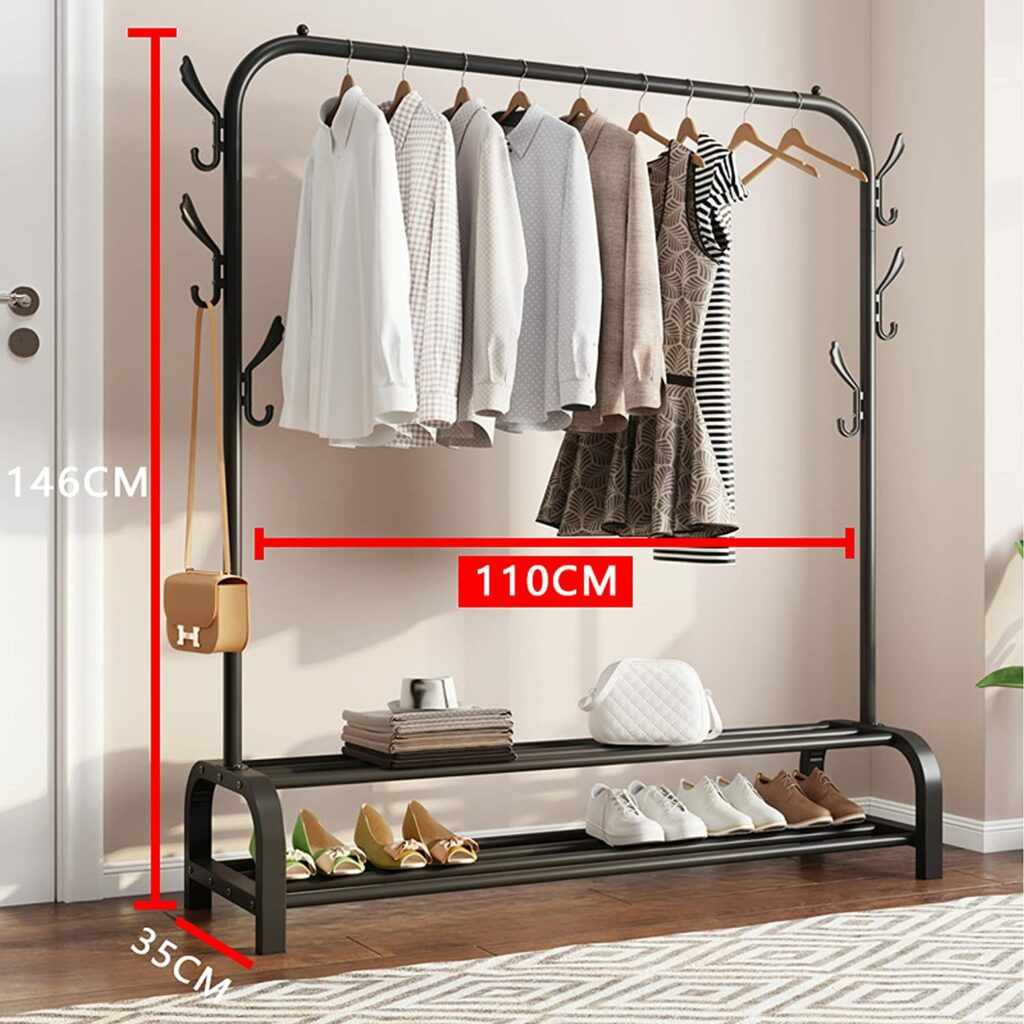
Unlike a built-in closet, a rack can usually be moved and placed wherever additional hanging space is needed. Some models also include shelves, hooks, drawers, or wheels for added convenience. For example, a simple rack can hold shirts, trousers, jackets, and dresses in a bedroom. A larger model can provide extra storage for seasonal clothing or serve as a useful display fixture in a retail store.
Garment racks are also useful when you want to see your clothes clearly. Instead of hiding garments behind closed doors, you can arrange frequently worn pieces where they are easy to reach. Before choosing one, think about how much clothing you need to store and where the rack will be placed. Measuring the available area first can prevent common space problems.
How to Choose the Right Garment Rack
Choosing the right rack becomes much easier when you consider a few important factors.
1. Measure Your Available Space
Firstly, measure the width, depth, and height of the area where you plan to place the rack. Do not measure only the empty floor area. Leave enough room to walk around the rack and remove clothes comfortably. For smaller rooms, a narrow or vertical design can help maximize available space. Larger rooms may accommodate wider racks with multiple hanging levels.
2. Decide How Much Clothing You Need to Store
Next, estimate the number and type of garments you want to hang. Lightweight shirts require less space than winter coats, suits, or long dresses. If you own heavier clothing, select a strong frame with a suitable weight capacity.
Additionally, consider whether you want extra shelves for shoes, bags, folded clothes, or accessories. A multifunctional design can provide more storage without requiring another piece of furniture.
3. Select a Suitable Material
Material affects strength, appearance, and long-term use. Metal racks are popular because they can provide a strong and practical structure. Wooden designs may suit homes where appearance and traditional styling are important.
However, material alone does not determine quality. Check the frame, joints, finish, and overall construction before buying. For regular use, choose a rack that feels stable and well-built rather than focusing only on its appearance.
4. Check Weight Capacity
One of the most important buying factors is weight capacity. A rack may look strong, but its actual capacity depends on the frame, joints, base, and construction. Always check the manufacturer's specifications before loading it with heavy clothing.
Distribute clothes evenly across the rail. Placing most of the weight on one side can make the rack less stable.
If the rack will be used around children, stability deserves extra attention. The U.S. Consumer Product Safety Commission provides guidance about tip-over risks associated with clothing-storage furniture.
5. Consider Adjustable Features
Adjustability can make a rack more useful as your needs change. Some designs allow you to adjust the height or width of the frame. Others offer multiple rails for separating different types of clothing.
For example, you could use one rail for shirts and another for trousers or children's clothing. Adjustable designs are especially helpful in homes where storage needs may change over time.
6. Decide Whether You Need Wheels
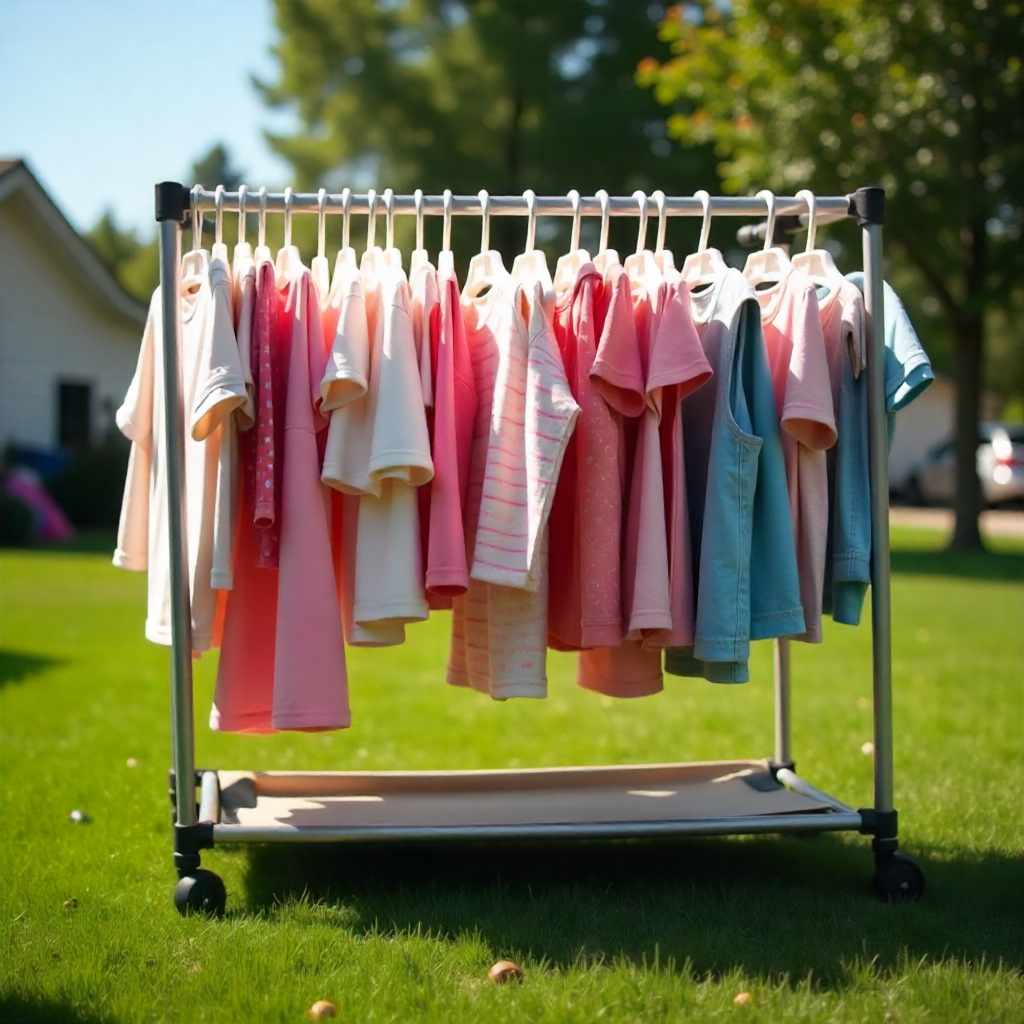
A wheeled rack can be useful if you frequently move clothing between rooms. For example, you might move it from a bedroom to a laundry area or use it temporarily during cleaning. However, wheels should lock securely when the rack is in use. Mobility is helpful, but stability should always come first.
Common Garment Rack Buying Mistakes
One common mistake is buying a rack without measuring the room. Even a compact model can become inconvenient if it blocks a doorway or reduces walking space. Another mistake is ignoring weight capacity. Overloading a rack can affect its stability and may damage the frame over time.
Some buyers also choose a rack based only on price. While staying within budget is important, a very cheap product may not provide the strength or durability needed for regular use. Another problem is choosing the wrong design for your clothing. If you own many long dresses, a low double-rail model may not be practical.
Finally, avoid treating a rack as unlimited storage. Keep it organized and remove clothing you no longer wear. This keeps the rack easier to use and improves the appearance of your room.
Where to Find More Information and Inspiration
Before purchasing, check the manufacturer's product specifications carefully. Look for measurements, materials, weight limits, assembly instructions, warranty information, and care recommendations. You can also compare different rack styles based on your specific needs. Search for single-rail, double-rail, adjustable, wheeled, heavy-duty, and wooden options.
Home organization trends increasingly focus on flexible storage that can adapt to changing spaces. A well-planned rack can support this approach because it provides accessible storage without requiring permanent installation.
For safety information, the U.S. Consumer Product Safety Commission is a useful authority. Its guidance can help consumers understand risks associated with unstable clothing-storage furniture. For home organization ideas, reputable home and lifestyle publications can also provide useful advice about decluttering, grouping clothes, and improving closet efficiency.
Conclusion
Choosing the right garment rack can make clothing storage easier, cleaner, and more flexible. Start by measuring your space, estimating your clothing needs, and checking the rack's material and weight capacity. Then consider useful features such as adjustable rails, shelves, and locking wheels. Most importantly, choose a design that matches your everyday storage needs instead of buying based only on appearance or price. Ready to improve your wardrobe organization? Explore quality garment rack options and find a design that fits your space, clothing collection, and lifestyle.
FAQs
1. What is the best material for a garment rack?
Metal is a popular choice for strength and practical use, while wood offers a classic appearance. The best material depends on your needs and preferred style.
2. How much weight can a garment rack hold?
Weight capacity varies by design and manufacturer. Always check the product specifications before placing heavy clothing on the rack.
3. Are garment racks good for small spaces?
Yes. Narrow, vertical, or adjustable designs can provide useful hanging space without taking up the floor area of a large wardrobe.
4. Is a single or double garment rack better?
A single rail works well for smaller clothing collections. A double rail provides additional hanging capacity and can be useful for separating different garments.
5. How can I keep a garment rack organized?
Group similar clothing together, use suitable hangers, avoid overloading the rails, and regularly remove items you no longer wear. Keeping frequently used clothes accessible makes the rack easier to manage.



Write a comment ...